
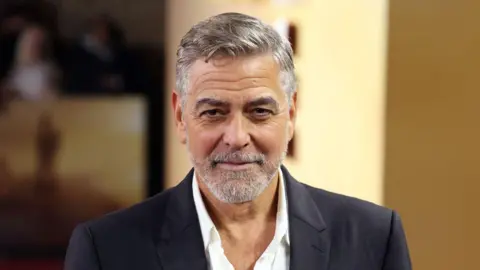
George Clooney has said it was a “mistake” for Kamala Harris to replace Joe Biden as the Democratic candidate to face Donald Trump in the US presidential election last November.
But the actor added that he had no regrets about writing an op-ed in the New York Times that July calling for Biden to quit the race.
In the piece, titled “I Love Joe Biden. But We Need a New Nominee”, Clooney wrote that the ageing president had won many battles in his career “but the one battle he cannot win is the fight against time”.
Clooney’s comments come after the former president’s son, Hunter Biden, lashed out at him for questioning his father’s mental sharpness.
:max_bytes(150000):strip_icc():focal(1059x518:1061x520)/kamala-harris-8-2000-0aee2d11a6a643a68b918e084552091d.jpg)
Less than a fortnight after Clooney’s op-ed, Biden announced he would step aside for Harris.
In his interview with CBS, the actor said that he would write it again, adding: “We had a chance.”
“I wanted there to be, as I wrote in the op-ed, a primary. Let’s battle-test this quickly and get it up and going,” he said.
But there was no Democratic primary and Biden’s vice-president took the nomination, going on to lose against Trump.
“I think the mistake with it being Kamala is she had to run against her own record. It’s very hard to do if the point of running is to say, ‘I’m not that person’. It’s hard to do and so she was given a very tough task,” Clooney said.
“I think it was a mistake, quite honestly.”
In the op-ed, the actor and prominent Democratic fundraiser wrote that it was “devastating to say it”, but the Joe Biden he had met at a fundraising event three weeks earlier was not the Biden of 2010. “He wasn’t even the Joe Biden of 2020,” he added.

“He was the same man we all witnessed at the debate,” Clooney said, in reference to Biden’s disastrous TV debate against Trump weeks before, which fuelled new concerns about the 81-year-old’s and fitness for office.
In an expletive-filled interview with the YouTube outlet Channel 5 with Andrew Callaghan, Hunter Biden accused Clooney of exaggerating the former president’s frailty.
Asked why Clooney had intervened in the race, Hunter Biden responded with a succession of profanities about the actor.
“What do you have to do with… anything?” he said in a message directed at Clooney. “Why do I have to… listen to you?”
In an interview with the BBC last month, Harris said she might run again for the White House.
In her first UK interview, Harris said she would “possibly” be president one day and was confident there would be a woman in the White House in future.

The GOP claimed Biden didn’t know whom he was pardoning. Trump now admits he doesn’t know whom he’s pardoning
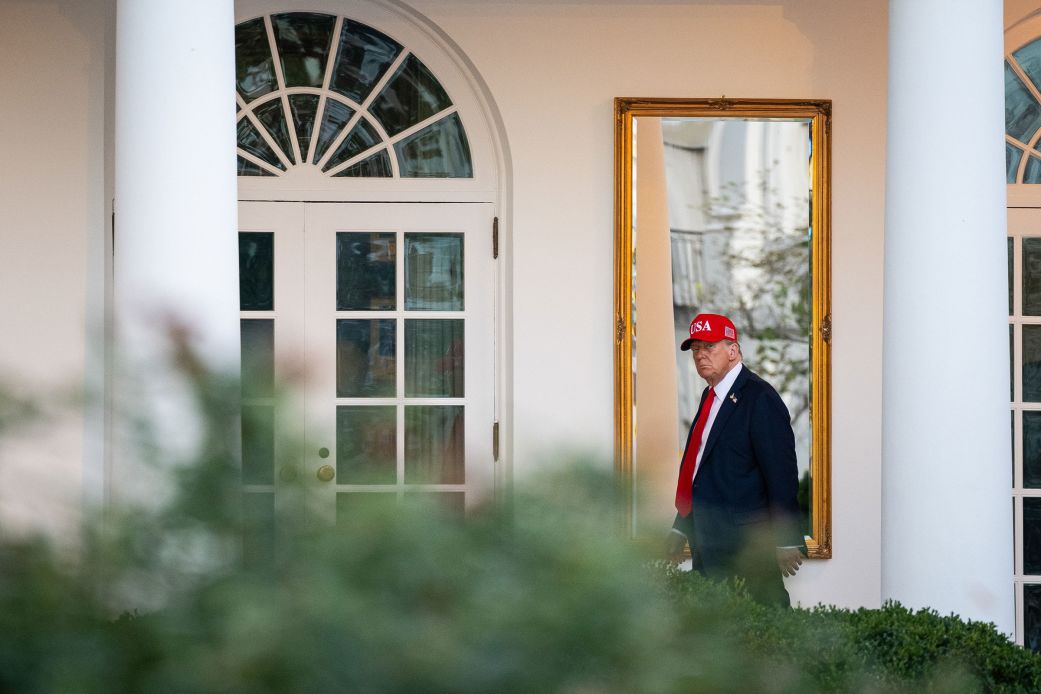
House Republicans issued a report last week suggesting Joe Biden wasn’t really calling the shots as president. And they argued that his presidential pardons epitomized this dynamic.
Biden appeared so disengaged from the process, the House Oversight Committee’s report claimed, that it called into question “the validity of all pardons reportedly granted” by him.
House Speaker Mike Johnson later said Biden mass-pardoned people without knowing “what the categories were apparently — much less the individual people that he pardoned.”
But President Donald Trump now says he didn’t know much about one of his own most controversial recent pardons — that of Changpeng Zhao, founder of the cryptocurrency exchange Binance.
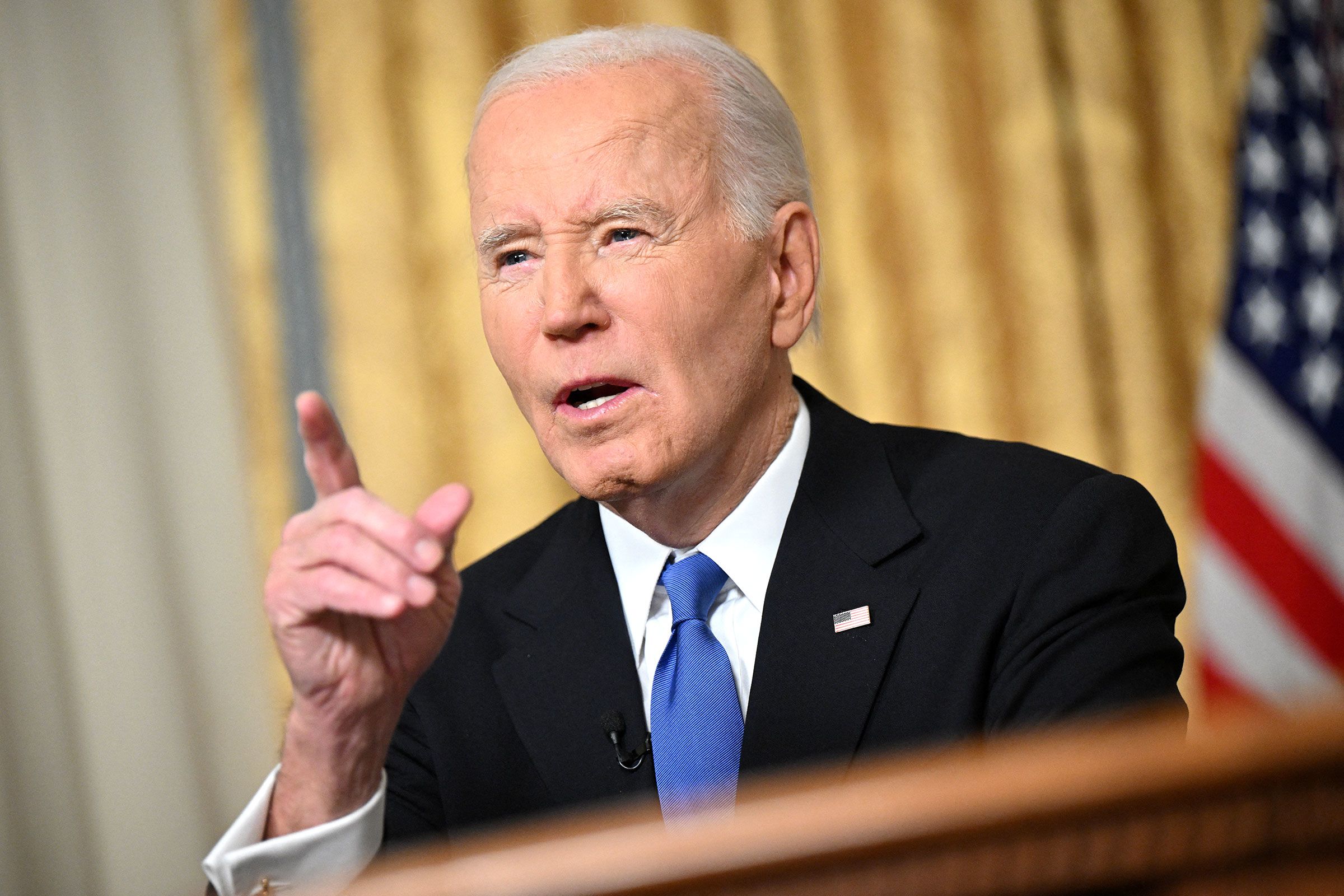
The president also emphasized that he was relying on things people around him said.
“I don’t know who he is,” Trump said in a “60 Minutes” interview that aired Sunday. He soon added that he knew “nothing about it.”
Back on October 23, Trump offered similar comments. When pressed on the pardon by CNN’s Kaitlan Collins, Trump didn’t seem to know who Collins was asking about, despite the pardon having been issued the very same day.
“Oh, the recent one, yes,” Trump said when Collins refreshed his memory. “I believe we’re talking about the same person, because I do pardon a lot of people.”
(In fact, Zhao was the only person Trump had pardoned that week.)
The GOP’s fixation on Biden and his use of the autopen has long strained the known facts. The argument seems to be that Biden’s actions were invalid because he supposedly wasn’t making the decisions.
But Trump keeps complicating that message by disclaiming his own role in and knowledge of major decisions — the kinds of things a president should be aware of. It’s not just pardons; he’s done it repeatedly with major foreign policy decisions.
While Trump has pardoned an extraordinary number of allies and Republicans, the Zhao pardon is on a different level because of the seeming personal conflicts of interest involved.

It’s controversial because Binance is the cryptocurrency exchange that hosts the Trump family’s crypto firm, World Liberty Financial. The pardon could allow it to operate in the US again. Binance has also been a significant platform for the sale of World Liberty Financial’s proprietary tokens, which have netted the Trump family hundreds of millions of dollars in fees.
In other words, Binance has helped and could help the Trump family make a lot of money, and the president pardoned someone who plays a significant role in that.
For these reasons, the pardon has earned comparisons to some of the most controversial pardons in modern history, including former President Bill Clinton’s pardon of billionaire fugitive Marc Rich after Rich’s ex-wife donated to Democrats.
But to hear Trump tell it, he made this monumental decision without really digging into the situation himself. He has repeatedly suggested he was basically doing what others urged him to do.
“I have no idea who he is,” Trump told “60 Minutes.”
“I was told that he was a victim, just like I was and just like many other people — of a vicious, horrible group of people in the Biden administration.”
The president added: “Well, here’s the thing: I know nothing about it because I’m too busy.”
Back on October 23 — the day of the pardon — Trump said: “I don’t know him. I don’t believe I’ve ever met him. But I’ve been told … he had a lot of support. And they said that what he did is not even a crime.”
It’s all pretty difficult to square with the GOP’s rhetoric about Biden, including last week’s House Oversight Committee report.
“The authority to grant pardons is not provided to the president’s inner circle,” the report said. “Nor can it be delegated to particular staff when a president’s competency is in question.”
The report also faulted the Biden administration for giving the Democratic president talking points to discuss his more controversial pardons. It intimated that this suggested Biden hadn’t played a major role in them.
“It is striking that President Biden needed any notecards or talking points to talk about his son[’s pardon], especially about a decision recently made about him,” the report said.

House Oversight Committee Chairman James Comer suggested the fact that pardons were presented to Biden in memo form suggested he wasn’t involved enough.
“Some staffer would type a memo, then Joe Biden would read the memo authorizing the use of the autopen, then sign his initial and then someone used that memo,” the Kentucky Republican told CNN’s Jake Tapper last week.
Pressed Monday by CNN’s Manu Raju to account for the similarities between what the oversight report alleged about Biden and what Trump said on “60 Minutes,” Johnson demurred.
“I don’t know anything about that,” the speaker said. “I didn’t see the interview. You’d have to ask the president about that. I’m not sure.”
Comer likewise punted on Monday. He explained that Trump sometimes “says things, and we have to really analyze and give him another opportunity to make sure he didn’t misspeak, and things like that.”

Comer suggested the president might have misspoken despite Trump having said such things twice, more than a week apart.
And Trump himself has attacked Biden for allegedly knowing too little about his own pardons.
“I would say that they’re null and void, because I’m sure Biden didn’t have any idea that it was taking place,” Trump told reporters aboard Air Force One in March.
Trump added in a social media post the next day: “In other words, Joe Biden did not sign them but, more importantly, he did not know anything about them!”
Fast forward nearly eightmonths, and Trump seems to be making a similar argument about himself. Not only has he insisted he doesn’t know much about one of his most controversial pardons to date, but he also didn’t seem to have any idea what a reporter was talking about when questioned on the topic.
Despite the similarities, we probably shouldn’t hold our breath for the GOP-led House Oversight Committee to launch a similar probe into Trump.
Trump’s pardons aren’t just political; more importantly, they’re transactional
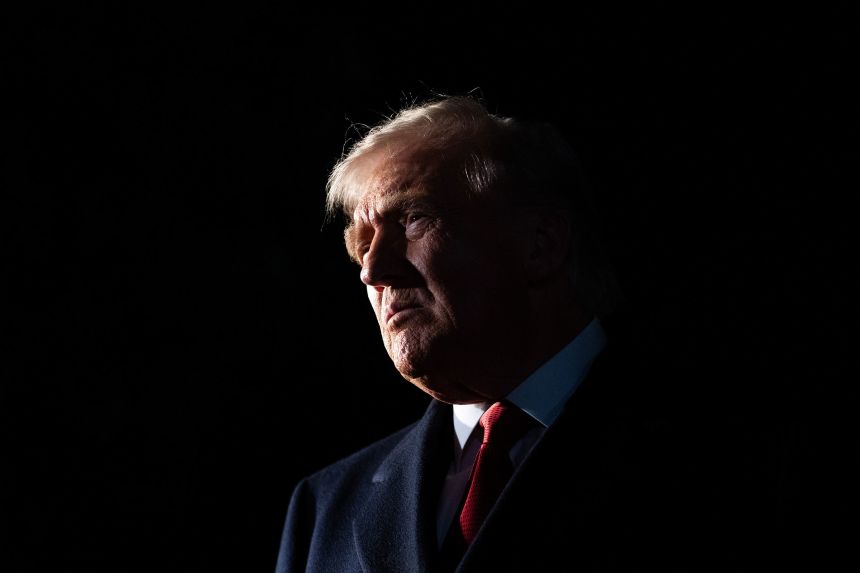
So much of the coverage of President Donald Trump’s pardons is focused on how political they are. And they are certainly political — extraordinarily so.
But as Trump’s latest batch of pardons reinforces, that’s only half the story.
The more ominous trend is not just that he’s pardoning political allies; it’s that he’s pardoning allies in very transactional ways.
He’s pardoning lots and lots of people who helped Trump, specifically.
After previously dangling pardons over allies involved in sensitive investigations involving Trump himself — and later delivering those pardons — he’s now pardoned oodles of people who took illegal or legally dubious action on his behalf.
Trump is creating a permission structure in which people will credibly think they can’t be held accountable in federal court, as long as what they’re doing benefits Trump. He’s been cultivating this for a long time, but he seems to be getting more brazen about it.
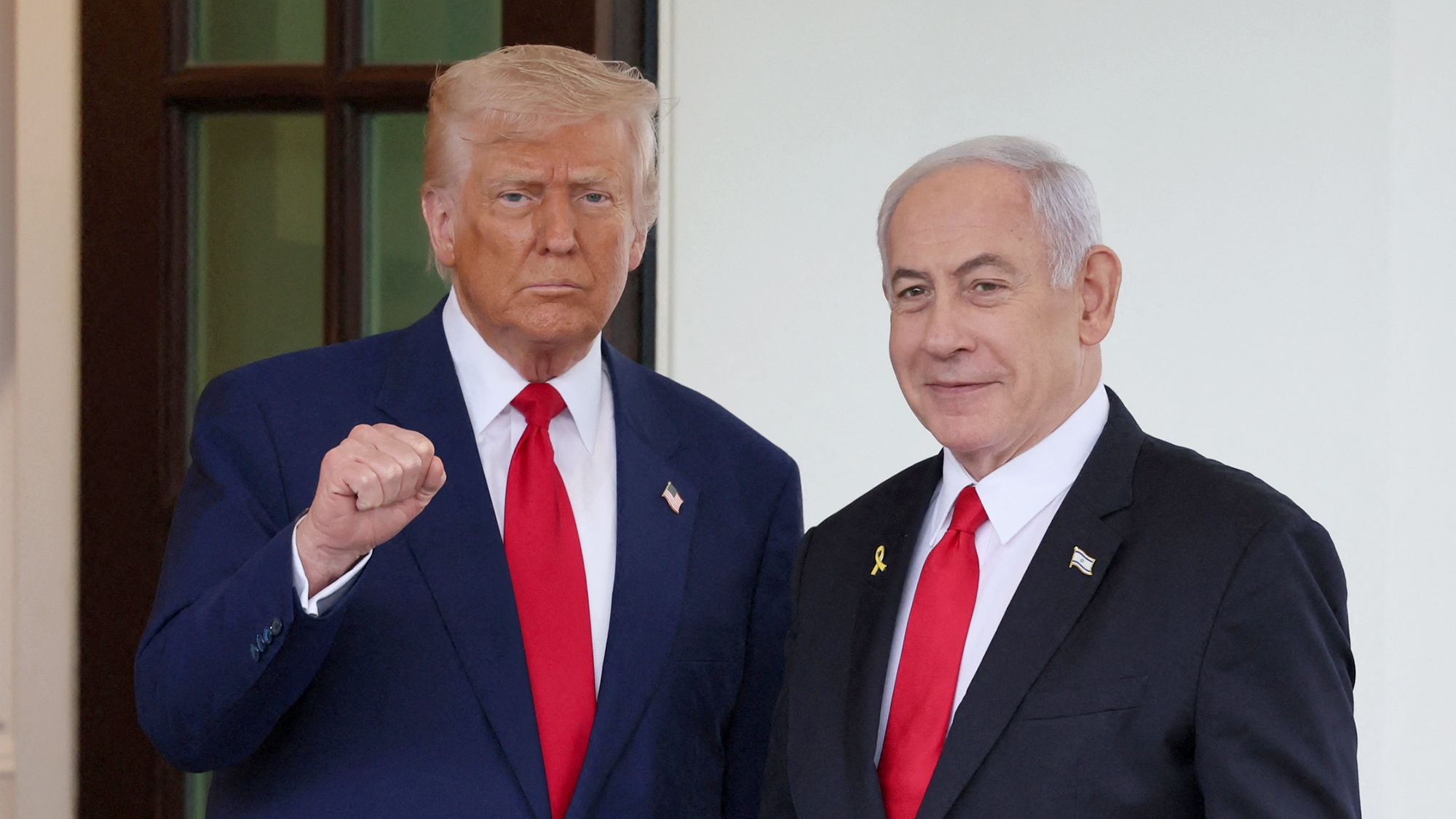
Trump’s most recent pardons, which were announced overnight by Justice Department official Ed Martin, are for 77 people who played roles in trying to overturn his 2020 election loss. These officials include former Trump lawyers Rudy Giuliani and Sidney Powell and the president’s former chief of staff, Mark Meadows, along with many of the people involved in the so-called fake electors scheme.
The pardons are symbolic, in that these people haven’t actually been charged with federal crimes. Some of them face state-level charges, for which Trump cannot pardon them.
But that’s also what makes these so notable. Trump is using this symbolic gesture to expand the ranks of people who went to great and legally dubious lengths to help him try to overturn the 2020 election and who later received pardons.
When you combine these new pardons with the pardons and commutations given to January 6, 2021, defendants and Trump allies who testified in cases involving the president, across his two terms Trump has now pardoned more than 1,650 people who played significant roles in matters involving him personally.
Those people account for more than 84% of pardons and commutations awarded by Trump. (Trump has otherwise been remarkably stingy with his clemency powers, when the matters didn’t involve him or his allies.)

And many of these people engaged in violence, including against police, in the name of helping Trump.
What message does that send to other people who might go to remarkable lengths to help Trump carry out his agenda? To participate in legally dubious administration actions — things like its boat strikes in the Caribbean? To carry out his deportation agenda in rather brutal ways? Or to perhaps even try to help him stay in power, as more than 1,600 people did before receiving pardons for their actions?
The sheer volume of these self-serving pardons is hardly the only indicator that Trump is wielding them for political and transactional purposes.
Official reports from the various Russia investigations referred to how Trump appeared to dangle pardons over people who were in positions to provide potentially derogatory information about him. These people included former advisers Roger Stone, Paul Manafort and Michael Flynn.

Special counsel Robert Mueller said in his report that Trump’s repeated comments about potentially pardoning Manafort “had the potential to influence Manafort’s decision whether to cooperate with the government.”
All were later pardoned by Trump in his first term. And perhaps most notably, Trump’s pardon of Manafort came after Manafort lied to investigators in ways that threw them off in a key portion of the probe.
Manafort’s lies came after he cut a deal to cooperate with investigators. A bipartisan Senate report seemed to regard these lies as particularly inexplicable, given they opened Manafort up to much more prison time.
But ultimately, Manafort’s gamble appeared to pay off with Trump, when the president gave him the pardon he had repeatedly dangled as a potential reward for staying loyal.
Both the Mueller report and the Senate report also referred to how Trump’s former personal lawyer Michael Cohen said he was led to believe the Trump White House would help him with his pardon if he stayed in line.

Cohen told the Senate Intelligence Committee that he discussed a potential pardon with a fellow Trump lawyer more than half a dozen times. He said the lawyer told him after he testified to Congress that Trump “heard that you did great, and don’t worry, everything’s going to be fine. He loves ya.”
Giuliani himself also publicly floated pardons related to witnesses in the Russia investigation. He at one point told the New York Daily News that when “the whole thing is over, things might get cleaned up with some presidential pardons.” He told CNN around the same time that “When it’s over, hey, he’s the president of the United States. He retains his pardon power. Nobody is taking that away from him.”
And then there are the comments of another lawyer who figured prominently in the efforts to overturn the 2020 election, John Eastman.
Just a few days after the January 6 insurrection at the US Capitol, Eastman emailed Giuliani, saying, “I’ve decided that I should be on the pardon list, if that is still in the works.”
We still don’t know who was keeping such a “pardon list,” or why. But it signaled that those around Trump seemed to sense their actions were at least legally problematic and were preparing accordingly very shortly after January 6.
Indeed, some involved had either been told their plans were illegal or acknowledged it in the days and weeks beforehand, but they pressed forward anyway. Then they rather quickly seemed to start talking about pardons.
Nearly five years later, Eastman has joined Giuliani in actually being on a Trump “pardon list.”
Related Articles


Featured Posts

Abandoned Dog Covered In Wounds Was Desperately Crying After His Cruel Owners Tied Him To A Fence


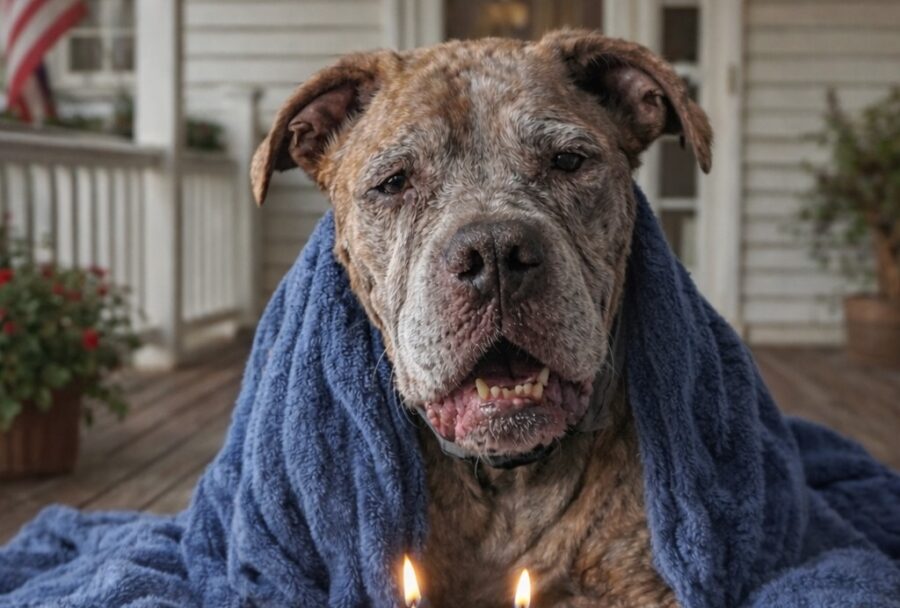


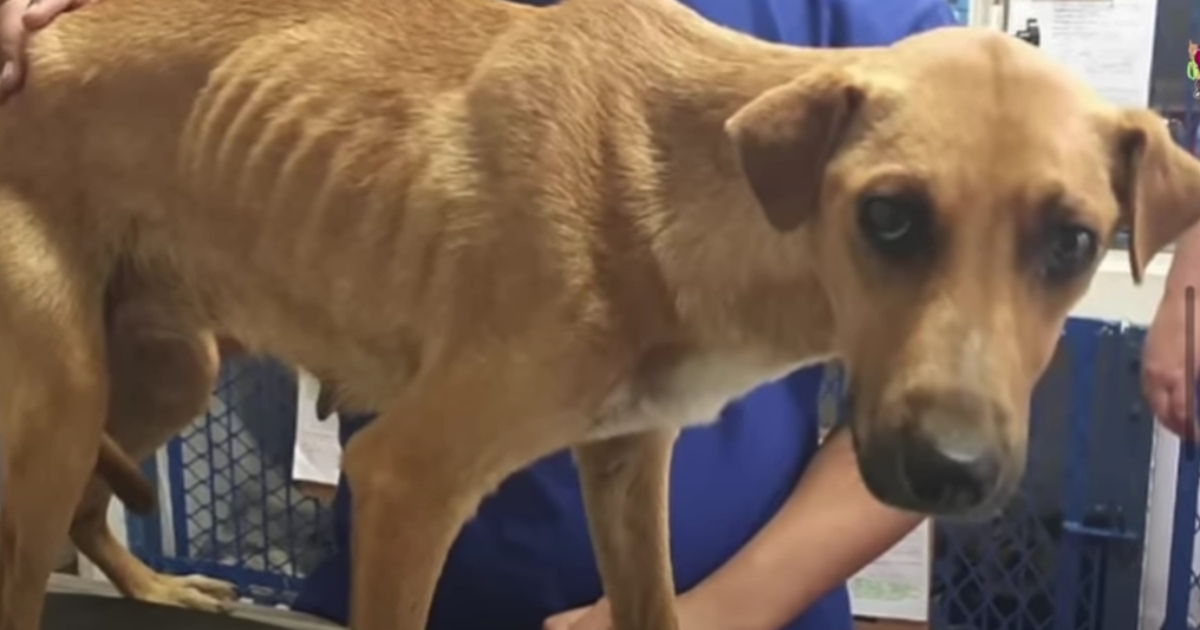
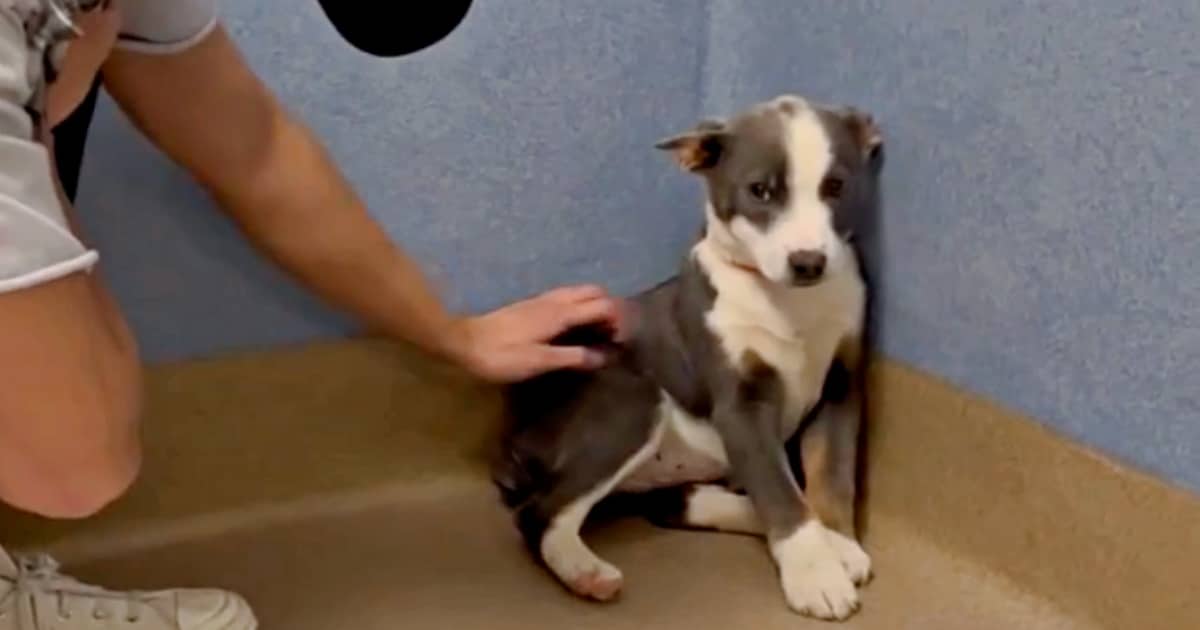


:max_bytes(150000):strip_icc():focal(749x0:751x2):format(webp)/tout-Underweight-Dog-050426-c32e0d4b6e5447f1a7f1141e4080398c.jpg?resize=750,500&ssl=1 "Underweight Stray Dog, with ‘Dangerously Low’ Body Temperature, Rescued and Given New Name While Being Nursed to Health")


:max_bytes(150000):strip_icc():focal(745x234:747x236):format(webp)/Bristal-Brewster-1-050726-7115d79c6c614189aefa39b2e1a4b783.jpg?resize=750,500&ssl=1 "Parents Notice Their Toddler’s Sudden Limp. An MRI Scan Revealed the Devastating Reason (Exclusive)")

:max_bytes(150000):strip_icc():focal(749x0:751x2)/jennifer-aniston-111225-c037a077dd3043178ee27f4038312cd6.jpg?resize=1500,1000&ssl=1 "Jennifer Aniston Overcomes the Pain of Infertility")



:max_bytes(150000):strip_icc():focal(764x9:766x11)/Will-Smith-Says-Hes-Lost-Sleep-Over-Potentially-Penalizing-His-Emancipation-Crew-After-Oscars-Slap-112922-2b5ef96896d34b7e8c33f4a36aee6cf4.jpg?resize=1500,1000&ssl=1 "Will Smith Sued")
:max_bytes(150000):strip_icc():focal(728x329:730x331)/michael-douglas-wall-street-020226-2-f626de6e6c884382ae5e9697d94db977.jpg?resize=1500,1000&ssl=1 "Why Is Michael Douglas Halting His Career Following Tongue Cancer Treatment?")