
America’s neighbor is hitting back against the incoming President with its own threats.
It’s a little-known fact that we Americans get quite a bit of our electricity from Canada. Unfortunately, our friendly neighbors to the north are currently considering turning off the electrical flow if a certain incoming President goes through with his plan to impose major tariffs on their country.

The not-so-friendly proposal was offered this week by Doug Ford, the premier for Ontario, which is Canada’s second-largest province. Ford, who revealed the information Wednesday during a conversation with Michigan Gov. Gretchen Whitmer, said he would restrict electricity exports to Michigan, New York and Minnesota, should Donald Trump make good on his threat to impose tariffs on Canada.
Per the Associated Press: “It’s a last resort,” Ford said. “I don’t think President-elect Trump wants that to happen. We’re sending a message to the U.S. If you come and attack Ontario, you attack the livelihoods of people in Ontario and Canadians, we are going to use every tool in our tool box to defend Ontarians and Canadians. Let’s hope it never comes to that.”

Ford also claimed he was considering limiting the export of certain minerals that are vital to the manufacturing of electric car batteries. It stands to reason that both of those things could have negative impacts on EV makers in the U.S., which would be particularly bad for Trump’s political ally, Tesla CEO Elon Musk. Ford also mused about limiting Canadian alcohol exports to the U.S.

An analysis from the Electrical Information Administration notes that the U.S. and Canada have a deeply intertwined energy system, in which physical cables deliver power to many communities on both sides of the national border. Historically speaking, Canada has exported a lot more electricity to the U.S. than it has imported, though, in recent years, that dynamic has shifted somewhat. In 2023, the electrical sales from Canada to the U.S. represented some $3.2 billion. Ontario delivered power to some 1.5 million U.S. households last year, the Associated Press notes.

Prior to the election, a host of economists warned that if Trump went through with his plan to impose major tariffs on countries throughout the world, it would have a huge, potentially catastrophic impact on Americans’ pocketbooks. Defenders of Trump’s proposal have mostly characterized it as a “bargaining” strategy, which is designed to elicit political and economic concessions from the countries he targets. “The President, I think, will use them as bargaining chips—I think that’s important for everyone to keep in mind,” said Former National Economic Council director Larry Lindsey, in a recent conversation with Fox News. “It’s how the bargain ultimately works out in the end that’s going to determine whether it was a successful strategy,” he said.
I’m not sure how great a “bargaining” tactic it is if you openly admit that Trump has no intention of following through on his threat, but I suppose we’ll have to wait and see whether the incoming President can—like his book famously put it—cut a deal.
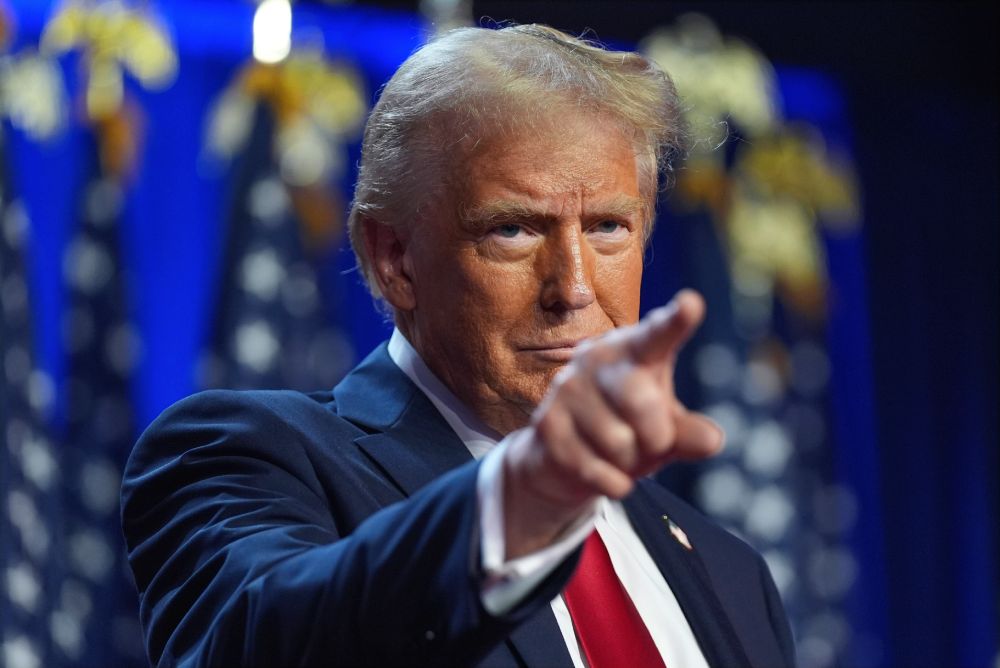
Canadian official threatens to cut off energy to the United States

Canada could retaliate against President-elect Donald Trump’s threatened tariffs by shutting down energy flows to the United States, a top Canadian official warned.
“We will go to the extent of cutting off their energy going down to Michigan, going down to New York State and over to Wisconsin,” Premier Doug Ford of Ontario, Canada’s largest province, threatened on Wednesday evening.
Ford warned that Canada must use “every tool in our toolbox” if Trump follows through on his threat to impose a 25% tariff on Canadian imports on his first day in office.
Given that Ontario is not a major producer of crude oil, Ford’s threat appeared to specifically apply to electricity the United States imports from Canada.
“Canadians get hurt, but I can assure you one thing: The Americans are going to feel the pain as well, and isn’t that unfortunate,” Ford said.
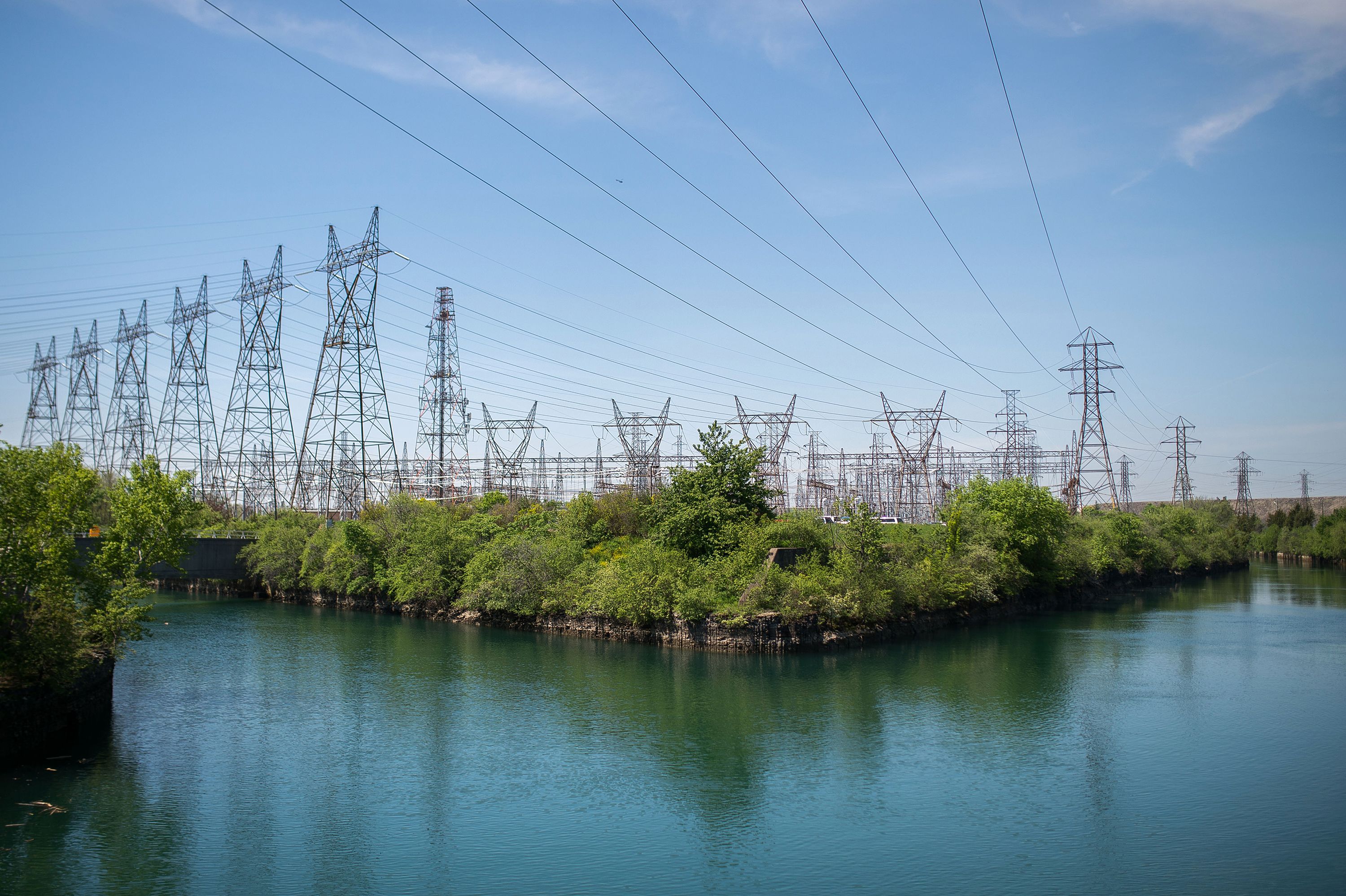
Trump’s proposed tariffs could plunge the Canadian economy into a painful recession. The threat from Ford shows how some in Canada are pushing for a forceful response that could temporarily disrupt power and fuel to some Americans.
Ford’s comments also raise the specter of broader retaliation from Canada that somehow disrupts the flow of oil imported into the United States, although analysts say such a move looks unlikely at this point.
A full-blown trade war between the United States and Canada could ultimately damage both economies, hurting consumers and businesses on either side of the border.
“This is a threat that shouldn’t be ignored. Canada doesn’t want to take this lying down,” said Patrick De Haan, head of petroleum analysis at GasBuddy.
Experts said that any retaliation from Canada, including from the provinces, would need to get approved by the federal government in Ottawa.

The United States regularly imports hydropower from Ontario, Quebec and British Columbia. Canada is the leading source of imported electricity into the United States, although it represents a relatively small piece of the pie of total consumption.
Last year, the United States imported 38.9 million megawatt hours of electricity, according to the US Energy Information Administration. The vast majority of that – 33.2 million megawatt hours – came from Canada.
However, that represents less than 1% of annual US electricity consumption, according to the EIA.
Still, the United States and Canada have long relied on each other to meet demands for power during periods of peak demand or weak supply.
For instance, Canada imports US electricity when hydropower generation is low, such as during droughts.
“The trade is important to grid balancing – constantly matching electricity consumption to electricity production — and helping to shore up electricity supply,” the EIA said in a recent report.
The United States bought roughly $3.2 billion of power from Canada last year, down almost 30% from 2022.
“Power transmission lines linking the United States and Canada are part of a complex and highly interconnected power system, with connections spanning New England to the Pacific Northwest,” the EIA said.

A sudden change in that close relationship could create headaches for US states along the border with Canada that at times rely on electricity imports.
However, those problems would likely only be temporary, according to RJ Johnston, research director at Columbia University’s Center on Global Energy Policy.
“I don’t see much vulnerability for the US,” said Johnston.
He pointed to abundant electricity resources in the United States and the option to shift power to regions that need it.
“Even in an extended outage the US has the ability to add more generation capacity in a relatively short period of time,” Johnston said.
Instead of electricity, Johnston said Canada could have more leverage over America in areas that are harder for US officials to make up for, including aluminum and nickel.

The importance of oil
Canada is also the leading source of America’s foreign oil.
Last year, the United States imported 1.4 million barrels of Canadian crude per day., making up more than half of the total 2.4 million barrels of US oil imports.
De Haan, the GasBuddy analyst, warned that some refineries in the Midwest and Great Lakes regions rely on Canadian crude to churn out gasoline, diesel and jet fuel. He said the loss of Canadian oil could jack up prices, at least temporarily, and make it hard for some gas stations to find fuel.
“I’d be more worried about supply than price,” he said.
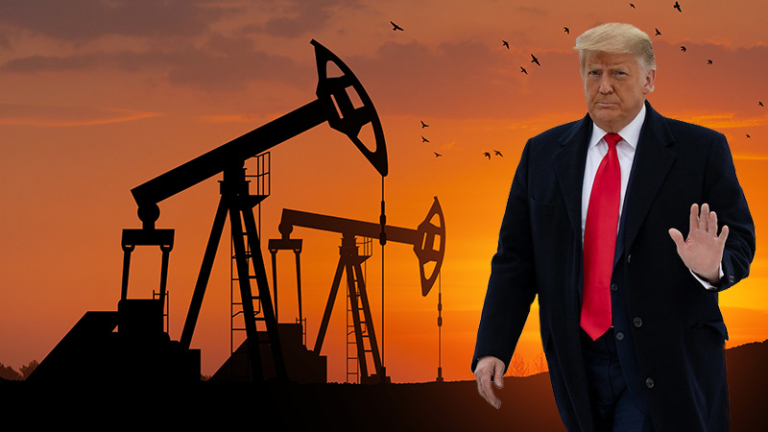
Yet analysts are skeptical that Canada would fire this bullet in a trade war because its economy is so heavily reliant on oil production and on the United States to buy that crude.
Blocking the flow of oil to its biggest customer – the United States – would be shooting its own economy in the foot.
“Do I think that would ever happen? No, because it would hurt everyone involved,” said Robert Yawger, vice president of energy futures at Mizuho Securities.
However, the opening of the Trans Mountain Pipeline from Alberta to the Pacific Ocean does leave open the possibility that Canada could eventually start to sell significant amounts of oil to Japan, South Korea, China and other Asian nations.
“That’s why they built that pipeline: To have a plan B,” said Yawger.
It’s not clear how much the United States would be hurt by the loss of Canadian oil.
US oil production has skyrocketed over the past two decades because of the shale revolution. Domestic oil output is so high that the United States is now a leading exporter of oil.
Analysts say some of that oil that today gets shipped overseas could get diverted to stay in the United States if there was a loss of Canadian barrels.
While Ontario’s premier has floated the idea of cutting off electricity exports to America, it’s far from clear whether the major oil-producing provinces would be willing to do the same when it comes to the vital resource of oil.
“Wake me up when the mayor of Calgary or the premier of Albertastarts popping off threats like this,” said Yawger.
Danielle Smith, the premier of Alberta, made clear on Thursday there’s little appetite for such a move, saying she prefers a diplomatic approach.
“Under no circumstances will Alberta agree to cut off oil and gas exports,” Smith said.
China pledges more borrowing and interest rate cuts to counter Trump’s tariff threats
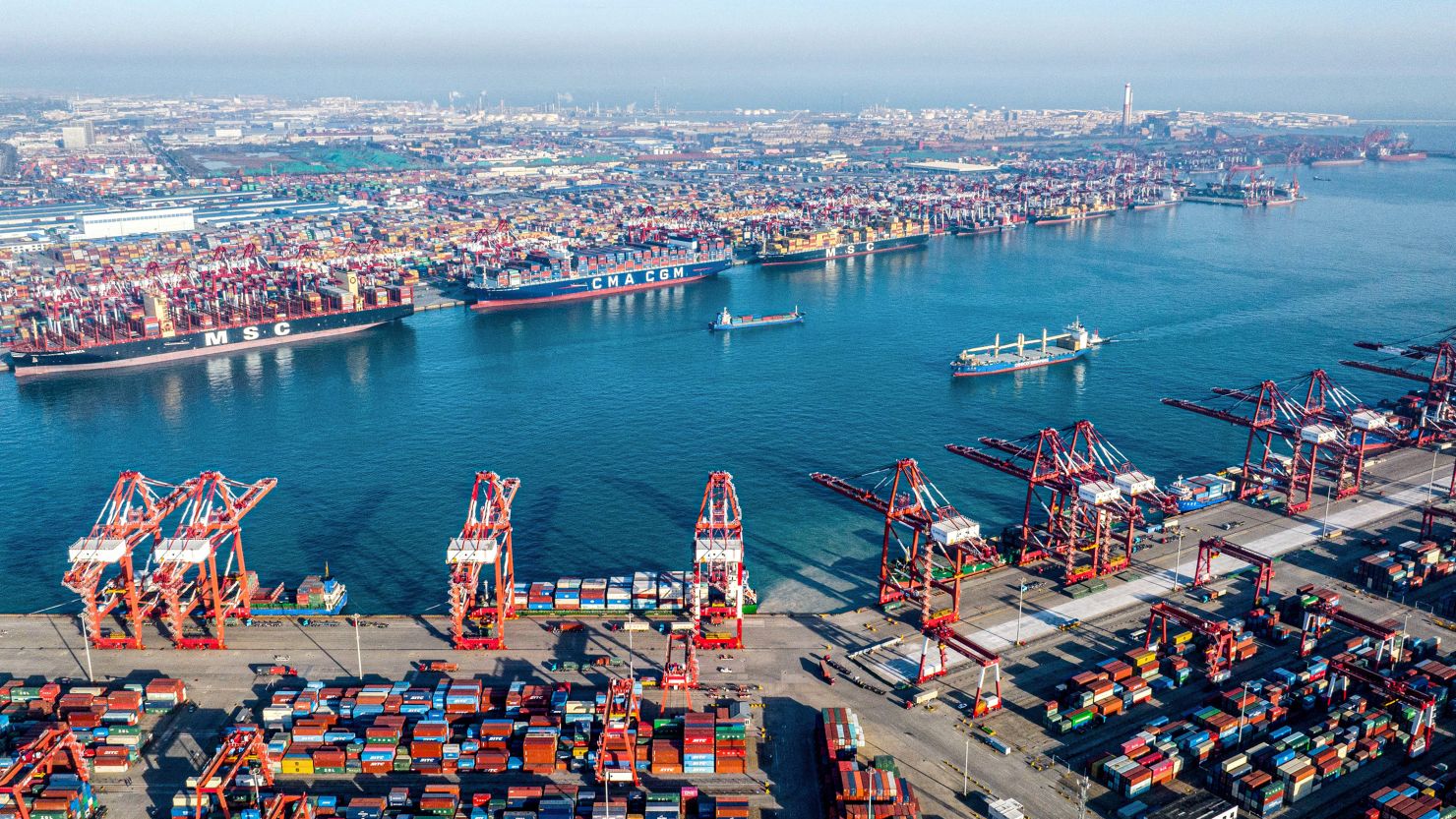
China pledged Thursday to increase the budget deficit, borrow more and loosen monetary policy to maintain stable economic growth as it girds for more trade tensions with the United States where Donald Trump is returning as president.
The remarks came in a state media readout of an annual agenda-setting meeting of China’s top leaders, known as the Central Economic Work Conference, held on December 11-12.
“The adverse impact brought by changes in the external environment has deepened,” national broadcaster CCTV said following the closed-door CEWC.
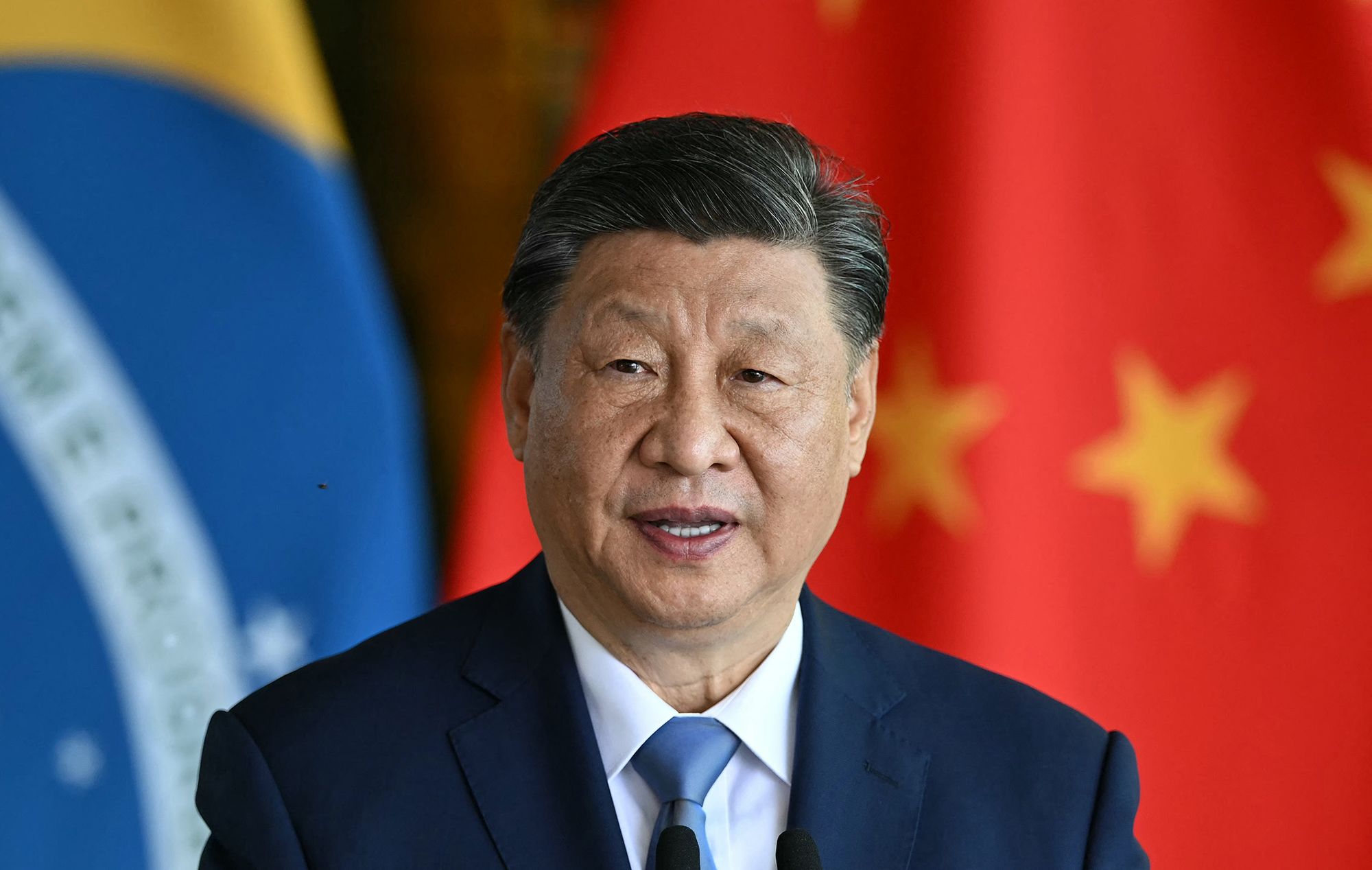
This year’s meeting came with the world’s second-largest economy stuttering due to a severe property market crisis, high local government debt and weak domestic demand. Exports, one of the few bright spots, face the threat of higher US tariffs.
A separate readout from state news agency Xinhua, watched by financial markets for references to the yuan currency, kept a pledge to “maintain the basic stability of the exchange rate at a reasonable and balanced level.”
The CEWC pledges match the tone of one of the Communist Party leaders’ most dovish statements in more than a decade, which was released Monday after a meeting of the Politburo, a top decision-making body.
The Politburo said China would switch to an “appropriately loose” monetary policy stance and “more proactive” fiscal levers, as well as stepping up “unconventional counter-cyclical adjustments.”
In the same vein, the CEWC summary flagged a higher budget deficit and more debt issuance at a central and local government level. Leaders also vowed to reduce bank reserve requirements and cut interest rates “in a timely manner.”
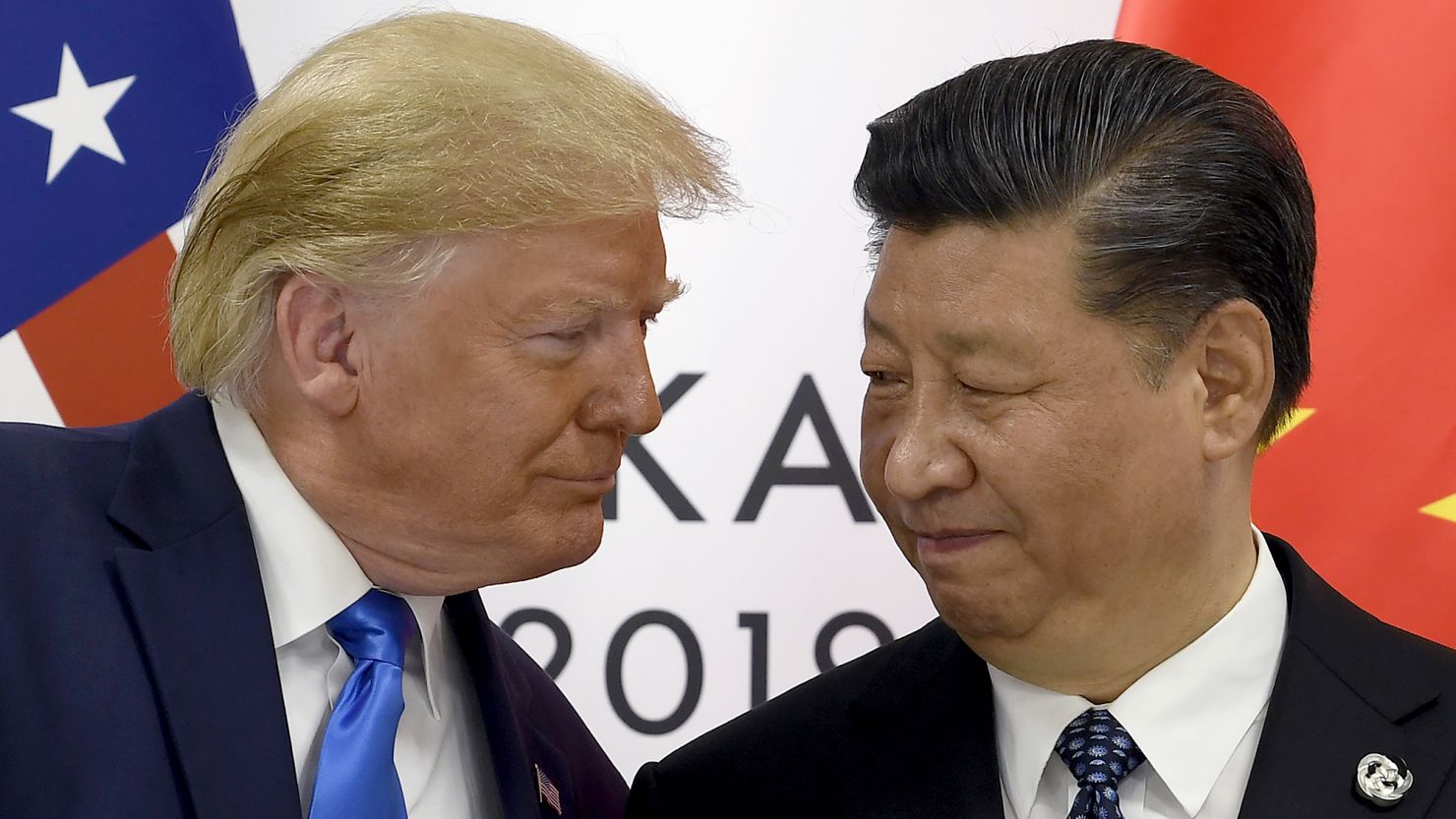
“The direction is clear, but the size of stimulus matters, which we probably will find out only after the US announces the tariffs,” said Zhiwei Zhang, chief economist at Pinpoint Asset Management.
This dovish shift in messaging shows China is prioritizing growth over financial risks, analysts said.
At CEWC, Beijing sets targets for economic growth, the budget deficit, debt issuance and other variables for the year ahead. The targets are agreed at the meeting but won’t be officially released until an annual parliament meeting in March.
The CEWC readout said it was “necessary to maintain steady economic growth,” but did not mention a specific rate.
“Maintaining 5% will be quite challenging in 2025, given that the extra ‘Trump shock’ will hit exports” and capital expenditure, said Xu Tianchen, senior economist at the Economist Intelligence Unit.
“However, a good level of stimulus will prevent a freefall, and I don’t think growth will tank below 4.5%.”
Tariff threats
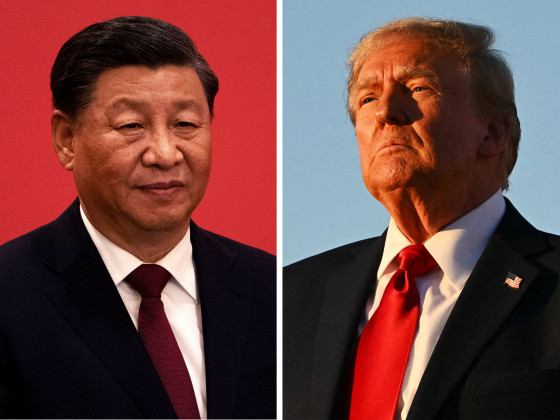
Trump’s tariff threats have rattled China’s industrial complex, which sells goods worth more than $400 billion annually to the US. Many Chinese manufacturers have been shifting production abroad to escape tariffs.
Exporters say the levies will further shrink profits, hurting jobs, investment and economic growth in the process. They would also exacerbate China’s industrial overcapacity and deflationary pressures, analysts said.
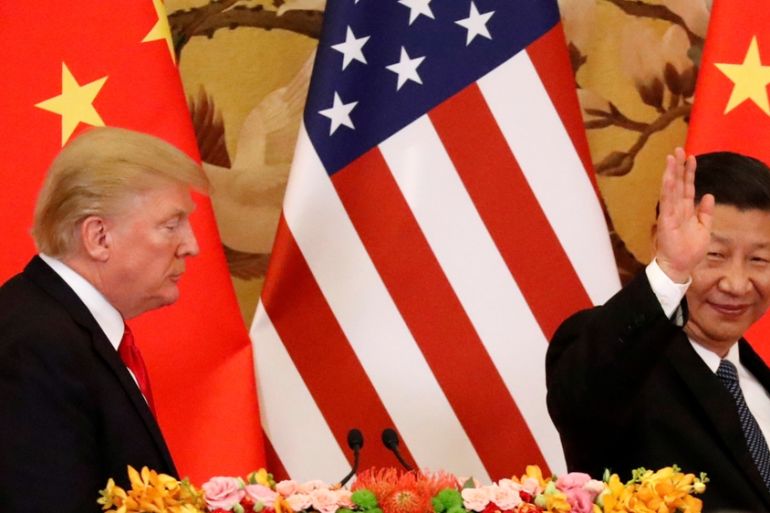
If exports take a hit, China needs to look internally for a new growth engine. But consumers feel less wealthy due to falling property prices and minimal social welfare. Low household demand poses a key risk to growth.
Beijing has issued increasingly forceful statements on boosting consumption throughout the year, but it has offered little in terms of policies apart from a subsidy scheme for purchases of cars, appliances and a few other goods.
The CEWC summary said the scheme would be expanded and pensions raised, and that efforts would be made to increase household incomes and “vigorously boost consumption.”
“Markets could be encouraged,” said Lynn Song, ING’s chief economist for Greater China. “The call to vigorously boost consumption is a good sign.”
Related Articles


Featured Posts

Barry Manilow Underwent a Lobectomy for Lung Cancer. Here’s What to Know About the Surgery






:max_bytes(150000):strip_icc():focal(691x489:693x491)/Blake-Lively-Justin-Baldoni-Lawsuit-122924-bbcf025ee6b047a4971c5b043976f435.jpg?resize=1500,1000&ssl=1 "Justin Baldoni Hires Diddy’s Lawyer as Explosive Legal Battle with Blake Lively Heats Up")






:max_bytes(150000):strip_icc():focal(749x0:751x2):format(webp)/tout-Underweight-Dog-050426-c32e0d4b6e5447f1a7f1141e4080398c.jpg?resize=750,500&ssl=1 "Underweight Stray Dog, with ‘Dangerously Low’ Body Temperature, Rescued and Given New Name While Being Nursed to Health")



:max_bytes(150000):strip_icc():focal(745x234:747x236):format(webp)/Bristal-Brewster-1-050726-7115d79c6c614189aefa39b2e1a4b783.jpg?resize=750,500&ssl=1 "Parents Notice Their Toddler’s Sudden Limp. An MRI Scan Revealed the Devastating Reason (Exclusive)")

:max_bytes(150000):strip_icc():focal(749x0:751x2)/jennifer-aniston-111225-c037a077dd3043178ee27f4038312cd6.jpg?resize=1500,1000&ssl=1 "Jennifer Aniston Overcomes the Pain of Infertility")



:max_bytes(150000):strip_icc():focal(764x9:766x11)/Will-Smith-Says-Hes-Lost-Sleep-Over-Potentially-Penalizing-His-Emancipation-Crew-After-Oscars-Slap-112922-2b5ef96896d34b7e8c33f4a36aee6cf4.jpg?resize=1500,1000&ssl=1 "Will Smith Sued")
:max_bytes(150000):strip_icc():focal(728x329:730x331)/michael-douglas-wall-street-020226-2-f626de6e6c884382ae5e9697d94db977.jpg?resize=1500,1000&ssl=1 "Why Is Michael Douglas Halting His Career Following Tongue Cancer Treatment?")